

Entrepreneur, Founder, CEO & UHNW Broker.
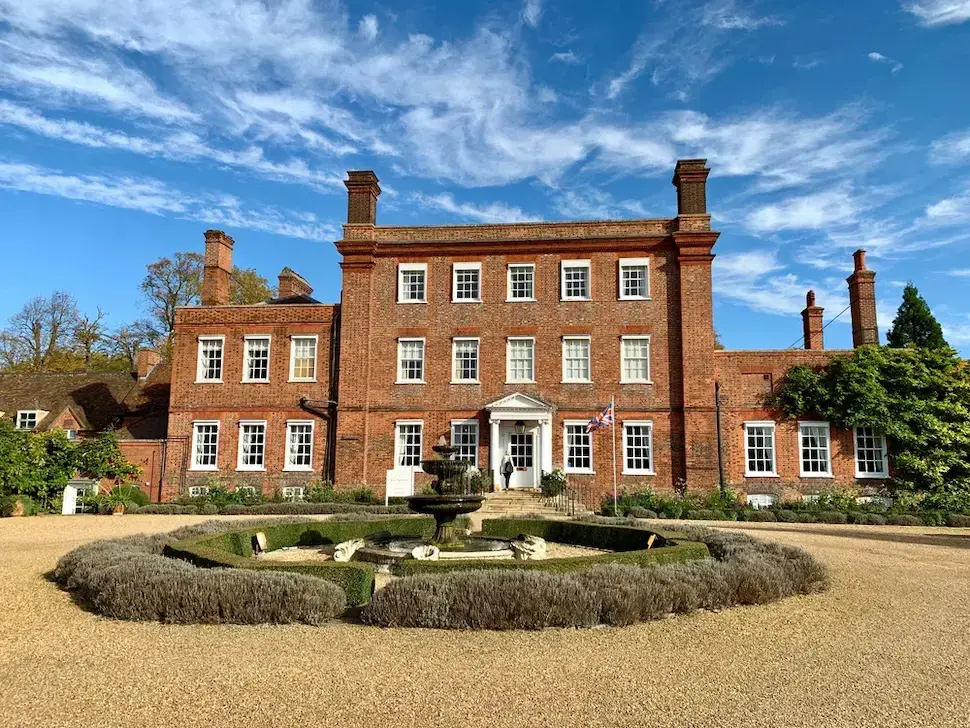
A £9.5M bridging loan helped secure a £13M UK estate despite complex international ownership structures and a time-sensitive completion deadline.
Most people assume the hard part of buying a £13 million estate is the money. In my experience, it rarely is. The buyers we work with can afford the asset. What trips up high-value deals at the top of the market is structure colliding with a deadline, and the two together are what send buyers looking for short-term finance.
A recent case made the point cleanly. A client wanted to acquire a UK estate valued at £13 million. The property was not owned by a single person or company. It sat inside a corporate structure with four separate international shareholders, ownership layered across more than one jurisdiction. There was nothing improper about that. It is how a great deal of prime property is now held. But it means that anyone lending against the asset has to understand four sets of shareholders, the entities above them, and the law in each country they operate in.
A mainstream lender can do that work. What it cannot usually do is do it quickly. Our client had a fixed completion date, and a conventional mortgage process would never have cleared that level of structural diligence in the time available. The deal would have died waiting for an underwriter to get comfortable.
So we arranged a bridge of more than £9.5 million. Short-term lending exists for exactly this situation: when the asset is sound, the buyer is good, and the only thing missing is time. The borrower draws the facility to complete on schedule, then refinances onto longer-term terms once there is room to do the slower work properly.
The skill in a case like this is not finding money. It is finding the right lender. Plenty of lenders will look at a £13 million estate and stop the moment they see four overseas shareholders. The job is to identify the one who treats that structure as a feature to be understood rather than a reason to decline, and who can move at the speed the deadline demands. Then it becomes a coordination problem: keeping legal teams in different countries working to the same timetable so no one person becomes the bottleneck.
It is worth being honest about what a bridge costs in this situation. Short-term financing is priced higher than a long-term mortgage, and there are fees for arranging it quickly. Buyers sometimes baulk at that. But the comparison is not bridge versus mortgage. It is a bridge versus losing the asset. When a £13 million estate is scarce and a deadline is fixed, the cost of a few months of short-term interest is small compared to the cost of the deal collapsing and the buyer starting again. The facility is a means to an end, and the end is owning the property. Once the purchase is complete, there is time to refinance into cheaper, longer-term terms and unwind the urgency.
There is a wider point here for anyone buying prime property through a company or an offshore vehicle. The structure that protects your assets and suits your tax position will, at the point of purchase, slow your financing down. That is not a reason to avoid it. It is a reason to plan your funding early and to work with people who have done it before. The buyers who struggle are those who assume a complex ownership chain can be financed on a simple timetable.
Complex ownership is not the barrier it looks like. Time is the barrier. Solve for time, and almost all of these transactions are doable.
Read the full case study here: https://www.ennessglobal.com/insights/case-studies/bridging-loan-over-gbp95m-acquire-gbp13m-estate